Struggling to focus in a shared workspace near me? If you work in Karachi, this probably feels familiar. Noise that never stops, people walking past your desk, power cuts, and long commutes already drain your energy before work even begins. By the time you sit down, your mind feels scattered. You try harder, but the output stays low.
But the good news is you do not need a perfect office to work better. In this blog, you will learn simple habits that help you stay focused, protect your attention, and get real work done, even in busy shared spaces.
Why Your Choice of Workspace Near Me Affects Focus
Your workspace shapes how your brain behaves throughout the day. In Karachi, many people work in spaces designed for maximum seating, not deep work. When people walk behind your chair, talk loudly on calls, or hover nearby, your brain stays alert instead of focused. This constant awareness also drains energy fast. You may feel tired without doing much work because your mind keeps reacting to movement and sound around you.
Additionally, location and setup matter because they decide how often your focus breaks. A desk near walkways, entrances, or printers invites interruptions every few minutes. No app or tool can fix that. When you find a coworking space with fewer visual triggers and a stable routine, your brain settles faster. Overall, you spend less time restarting tasks and more time finishing them.
Quick Research
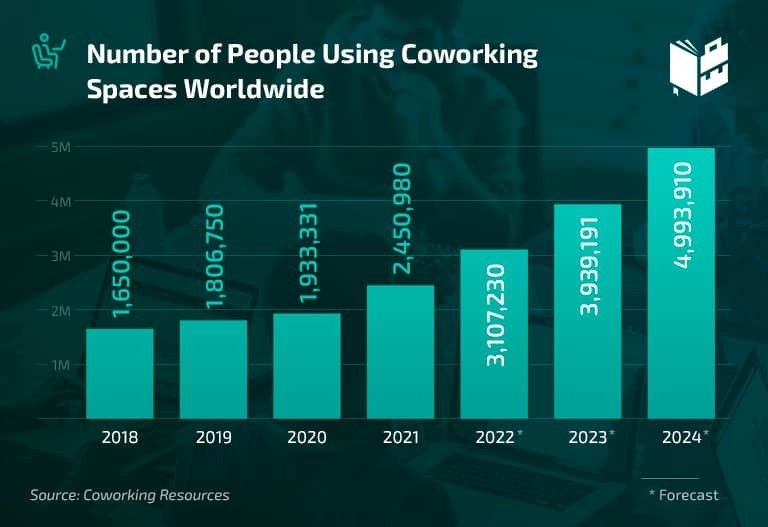
Do you know? that the number of people using coworking spaces worldwide is projected to nearly double by 2024, reaching almost 5 million users. This growth reflects the increasing demand for flexible, productivity-focused work environments, especially in urban centers where shared workspaces help professionals stay focused without constant relocation.
What to Look For in a Productive Workspace Near Me
Noise Levels and Sound Control
In many Karachi workspaces, noise comes in waves, not at a steady pace. Phones ring, chairs scrape, and quick chats turn loud without warning. Your brain handles steady background sound better than sharp breaks. However, choose a spot away from meeting areas and doors, even if it feels less social. If a light buzz helps you think, sit where distant chatter blends into one layer instead of hitting you in bursts.
Lighting and Visual Comfort
Poor lighting forces your eyes to work harder all day. In shared spaces, overhead lights often cause glare on screens by the afternoon. Sit sideways to windows instead of facing them directly. This also reduces screen reflection and keeps your eyes relaxed. If you work near glass walls or bright signs, adjust your screen height slightly lower. Small shifts like this reduce headaches and mental fog.
Seating and Desk Ergonomics
Many people ignore symptoms until pain shows up. In flexible workspaces, chairs rarely fit everyone. Adjust seat height so your feet rest flat, and your elbows align with the desk. But if the desk sits too high, raise your chair and support your feet with a bag. These small fixes reduce shoulder tension and help you stay focused longer without discomfort.
Simple Daily Habits to Improve Focus in Any Workspace Near Me
Start With a Clear Desk
A cluttered desk keeps your brain busy with tiny decisions. Receipts, cables, and unused notebooks pull your attention even if you do not notice it. Start each day with a two-minute reset. Put everything you will not use in a bag or drawer. Leave only your laptop, one notebook, and water. This quick reset also signals your brain that it is time to work, not search or sort.
Set Work Blocks With Clear End Times
Long, open-ended work sessions often fail in shared spaces. Your mind gets tired because it does not see an endpoint. In addition, use short blocks with a clear stop time, like forty-five minutes. Tell yourself exactly what you will finish in that block. When your brain knows relief is coming soon, it resists distractions better and works faster.
Use Headphones With Intention
Headphones work best as a signal, not a shield. Wear them when you need focus, not all day. This tells people you are busy without cutting yourself off completely. Also, use simple sounds or low music when tasks feel heavy. Switch to silence for reading or writing. Changing audio based on the task keeps your mind sharp.
Control Phone Access, Not Just Notifications
In the shared workspace near me, phones often sit within reach and steal attention silently. Move your phone out of arm’s reach and keep it face down. Moreover, decide on fixed times to check it instead of reacting to every vibration. This habit reduces constant mental switching and helps you stay present with one task at a time.
End Each Session With a Quick Note
Before you stop working, write one short note about what comes next. This removes the pressure of remembering later. When you return, you start faster and with less friction. In busy workspaces, this habit also saves mental energy and prevents wasted time trying to recall where you left off.
How to Personalize a Shared Workspace Near Me
Creating a Mental Boundary in Public Spaces
In shared workspaces, people interrupt you when they feel access is open. You can change that without saying a word. Sit with your body facing the desk, not the room. Avoid seats near entry points or shared tables where people pause to talk. Furthermore, keep your posture steady and your screen angled slightly inward. These small signals tell others you are working and reduce casual interruptions.
Small Personal Touches That Help Focus
Use only items that support your work, not your comfort at home. One notebook, one pen, or a small stand for your phone can anchor attention and create consistency. Also, avoid bringing extra bags, food containers, or random papers. Too many personal items turn your desk into a holding space instead of a work zone. All in all, keep it simple so your mind stays on the task.
When a Workspace Near Me Stops Working
Signs Your Environment Is Hurting Output
When a workspace stops supporting you, your body notices first. You feel drained early in the day, even after light work. Simple tasks feel heavier than they should. Also, you jump between tabs, apps, or notes without finishing anything. This constant switching wastes time and creates frustration. If you feel busy but produce little, your environment likely pulls your attention apart instead of holding it steady.
When to Switch Locations or Change Habits
Do not force focus when conditions clearly work against you. Try small changes first, like shifting seats or adjusting your schedule. But if distractions stay the same, switch locations for specific tasks instead of the whole day. Use one place for deep work and another for calls or admin tasks. Overall, adapting your approach protects your energy and keeps output consistent.
How Harbour Cube Helps You Maintain Focus and Boost Output
Harbour Cube provides workspaces designed to keep you focused without the hassle of moving around all day. With quiet zones, private booths, and sound-controlled areas, you can concentrate on deep work even in a shared setting.
Moreover, our adjustable desks, comfortable chairs, and consistent lighting reduce fatigue, while fast, reliable Wi-Fi and unlimited power outlets keep your workflow steady. On-site meeting rooms and phone booths let you handle calls without breaking concentration. These amenities let you stay in one place, maintain focus, and complete tasks efficiently. So, if you’re looking for the best workspace near me, Harbour Cube is your go-to choice.
Book your workspace today and start working smarter, not harder.
Conclusion
Overall, finding focus in busy workspaces does not have to be a constant struggle. Small habits like clearing your desk, setting work blocks, and using headphones intentionally can dramatically improve attention and output. Also, pairing these habits with the right environment, like good lighting, ergonomics, and minimal distractions, keeps your energy steady throughout the day. For people looking to work efficiently without constant interruptions, a reliable workspace near me can make all the difference.
Frequently Asked Questions
Q1: What is the difference between a workspace and a coworking space?
A workspace is any place where you can work, like a private office, home office, or shared area. A coworking space specifically offers shared facilities with multiple professionals using the same environment. However, coworking spaces often include desks, meeting rooms, and community events, while a standard workspace may not have these shared amenities or social opportunities.
Q2: How can you choose a workspace?
Choose a workspace near me based on location, noise levels, comfort, and available amenities. Consider your work style, like do you need quiet zones, meeting rooms, or flexible hours? Check accessibility, internet reliability, and seating options. Also, visiting in person or reading reviews helps ensure the space supports focus and productivity, rather than creating more distractions.
Q3: How much is the workspace cost per month?
Workspace costs vary depending on location, facilities, and membership type. In Karachi, shared coworking spaces start around 15,000 PKR per month, while private offices can range from 35,000 to 80,000 PKR. In addition, flexible memberships, part-time access, and additional amenities like meeting rooms or high-speed internet may affect pricing. Always compare options to match your budget and needs.
Q4: What amenities should I look for in a workspace to stay productive?
Look for reliable high-speed internet, quiet zones, and comfortable, adjustable seating. Access to power outlets, good lighting, and private phone or meeting rooms improves focus. Extras like coffee, printer access, and storage can save time. Moreover, amenities should reduce interruptions and support your workflow, allowing you to stay in one place and complete tasks efficiently.
Want a desk set up the way you like it every day? Core Hub (Dedicated Desk) gives you a permanent seat, 24/7 access and backup power.
[…] the faster growth of startups and small companies. For more information, you can read our blog on how workspaces boost ficus and output, contributing to […]
[…] the culture of flexible workspaces in Karachi is evolving rapidly. Today, more professionals prefer community-driven environments rather than […]